Customers rarely spend a gift card's exact balance in one go. A ₦20,000 card might pay for a ₦12,500 purchase today and the rest next month. Here is how AfroPin handles that, for brands, resellers and the customer.
Single-use and part-payment products
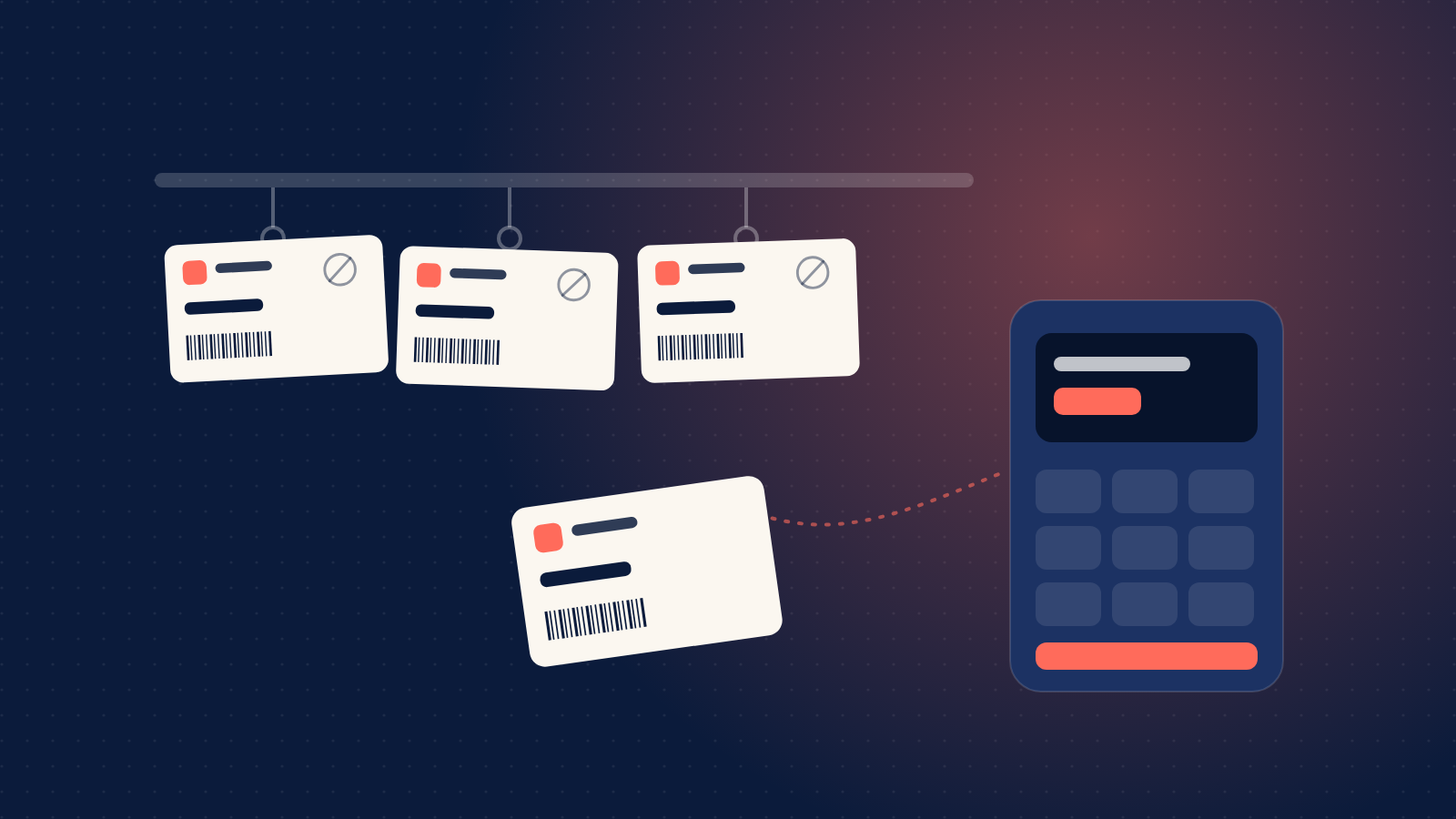
Every product is set up as one of two types. A single-use product is redeemed for its full balance in one transaction. A part-payment product can be spent in as many transactions as the balance allows, until it is used up or expires.
What happens at the till
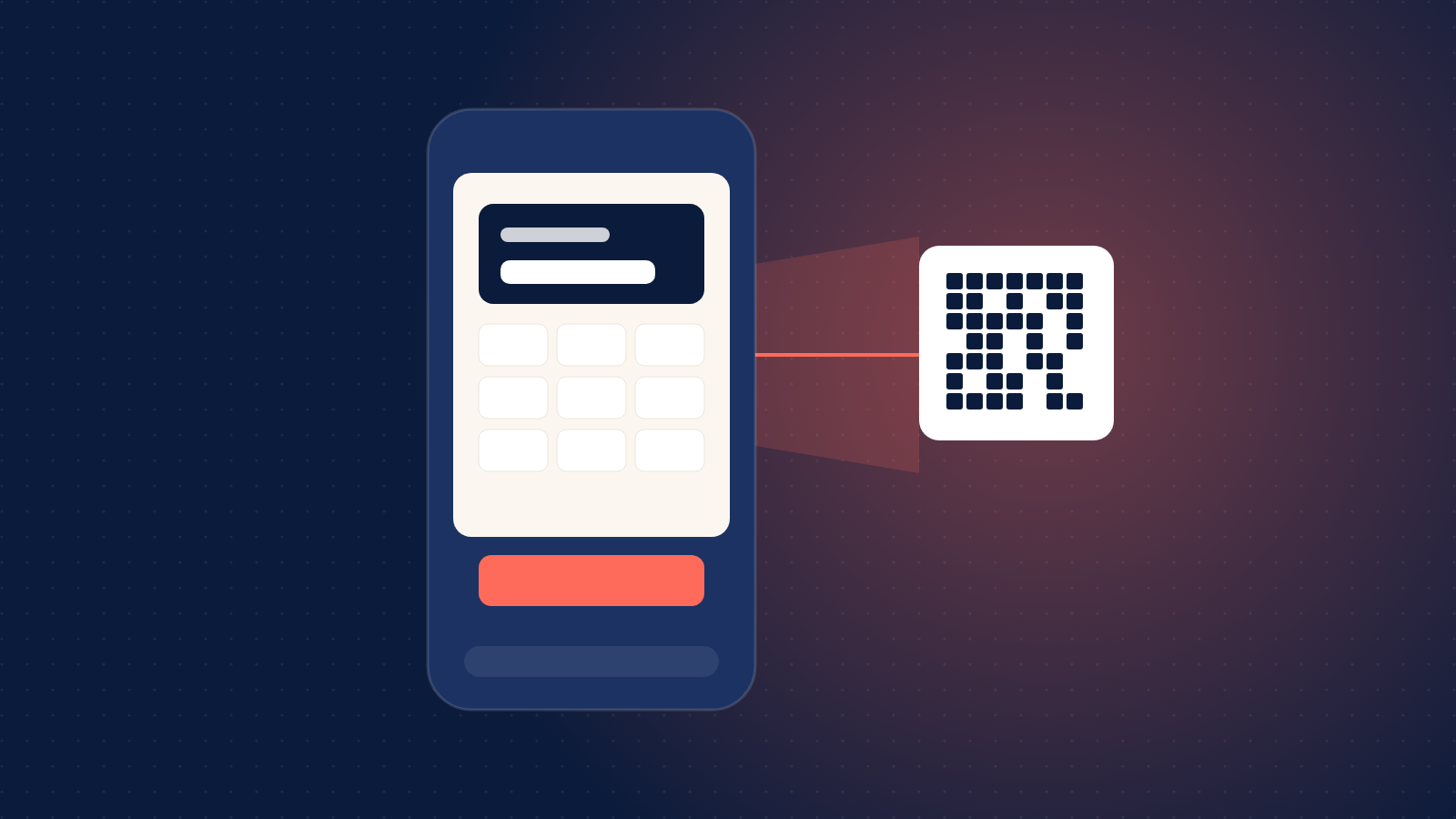
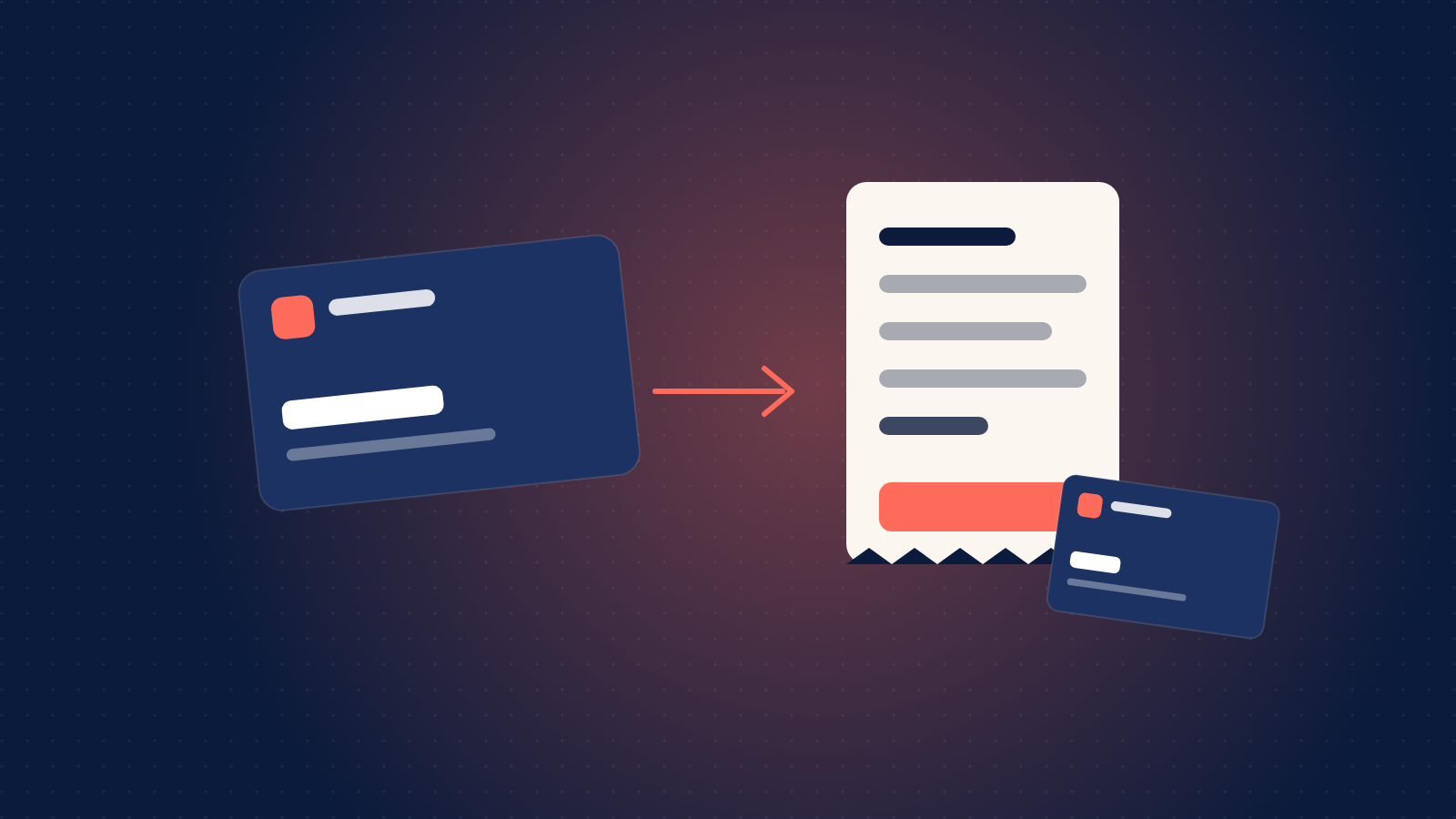
When staff scan or type a PIN, the till shows the product, the balance available and whether it can be used. They enter the amount, and the till shows the totals before they confirm. After the redemption, the receipt shows what was taken and what is left on the card.
If the brand passes the redemption fee to the customer, the fee is added to the amount taken from the card, and the till shows the most the card can cover once the fee is included.
New codes after a part payment
Some products issue a new code every time part of the balance is spent. It is a simple, strong protection: a code that was seen at one till is worthless at the next. When that happens:
- the old code stops working immediately;
- the customer receives the new code by email, with a fresh QR code;
- the receipt, the brand's dashboard and the reseller's dashboard show only the new code's mask.
Resellers that deliver codes through their own systems receive the new code by webhook, so they can pass it on.
Top-ups
Where a product allows it, resellers can add value to an existing card. The balance carries over, and the card keeps working as before.
Retries are safe
If a connection drops while a redemption is being confirmed, trying again returns the original result. A part payment is never taken twice.
Which type suits your products, and whether to issue new codes, is one of the decisions we make with each brand during onboarding.